Featured
Table of Contents
In the ever-evolving landscape of enterprise software application, mid-size companies face unprecedented obstacles driven by AI disturbance, intense competition, slowing growth, and moving financier needs. These business are caught in a "big squeeze"pressured on one side by nimble, AI-native entrants that can replicate applications at a portion of the expense and on the other side by tech behemoths, such as Microsoft, Salesforce, and Oracle, that are putting billions into the AI arms race.
The future lies in their capability to adapt their operations and organization designs at speed, or threat being interfered with by more agile rivals. Throughout the business software application market, top-line growth has slowed considerably. Our analysis of 122 publicly listed enterprise software application business below $10B in profits shows that the percentage of high-growth business decreased from 57% in 2023 to 39% in 2024.
While AI-native gamers have attracted considerable recent investment (more than $100B in 2024 alone) and development rates remain high, our company believe this represents only a little portion of the broader business software market. Furthermore, enterprise clients are facing their own expense pressures, resulting in lower growth rates and higher client churn.
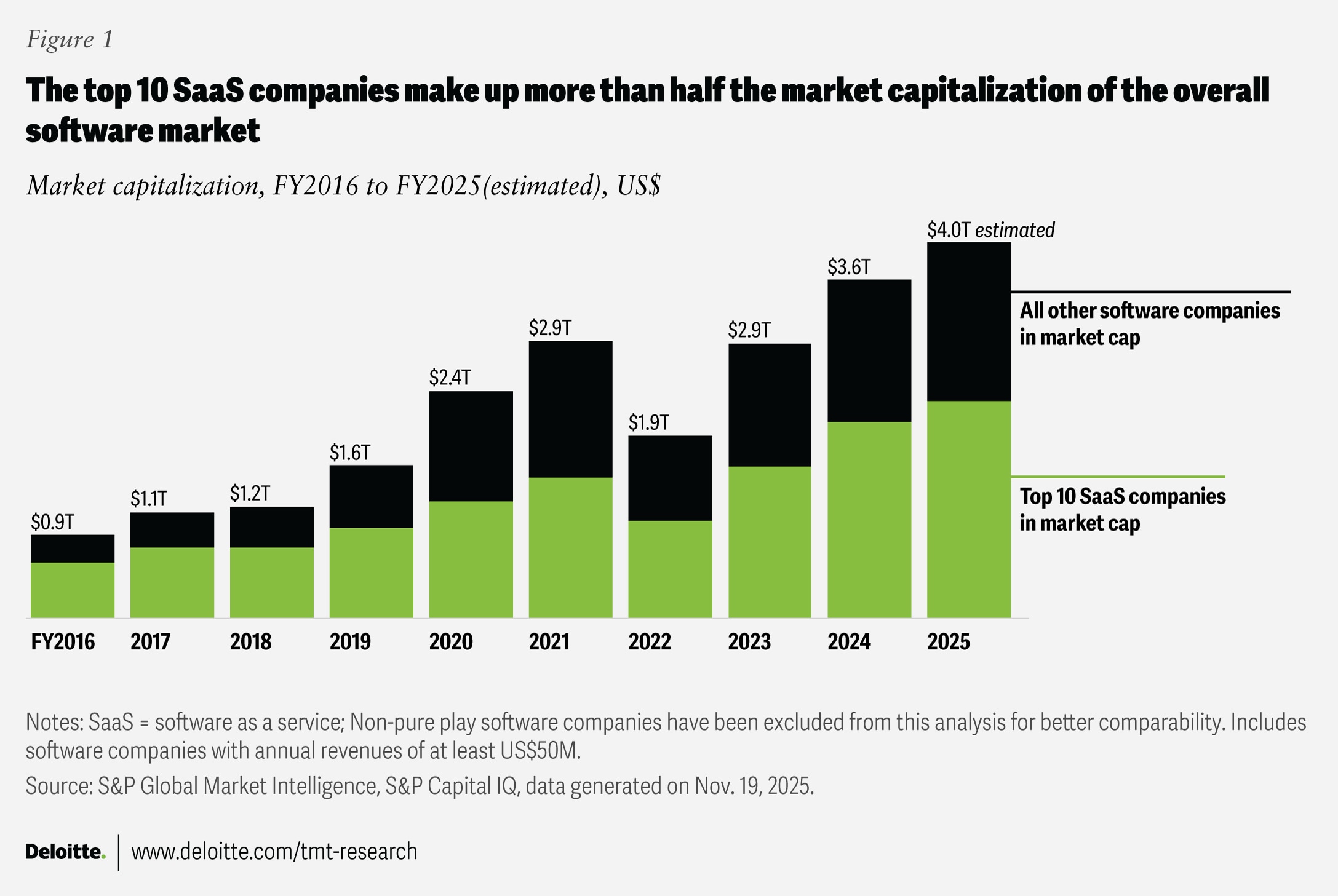
As customer demand for tailored options continues to increase, the business software industry has actually seen a surge in smaller, more agile players providing specialized services, frequently at a lower cost and made it possible for by AI (e.g., Freshdesk from Freshworks, Zoho One from Zoho Corporation, and Agent OS from Sierra). Meanwhile, tech leviathans are driving combination through acquisitions, establishing platforms and aggressively pursuing cross-selling chances.
With competition building from both sides, numerous mid-size business software companies are forced to reassess their technique and business model. AI-driven options have begun to make a significant effect in business software application. While the most mature applications today are in AI-driven coding and consumer assistance (e.g. GitHub's Copilot for coding and Zendesk's Answer Bot for customer assistance), we are approaching a tipping point where AI will drastically enhance performance across other critical organization functions also.
Why Future of Software Scalability
As a result, nearly two thirds of the software application company executives in our survey are focused on using AI as a development driver. On the other hand, AI representatives are set to interfere with the logic and presentation layer of SaaS applications. Practical examples are already appearing, such as Klarna's well-publicized choice to terminate its relationships with both Salesforce and Workday in favor of a suite of in-house industrialized AI apps and smaller agile vendors.
This shift might remove the need for lots of business software application business that thrived in the traditional SaaS architecture. As development continues to slow across both public and private markets, investors are positioning a higher focus on profitability. Greater interest rates are partly to blame, raising roi (ROI) targets.
In action, we have actually seen a considerable pivot within the mid-sized software application companies towards active cost controls and selective capital deployment. Our company believe the focus on performance will magnify in this unsure macroeconomic environment. Business software application executives deal with a tough job of choosing when and how to concentrate on running vs.
Driving Enterprise Platform Growth for 2026
In these disruptive times, we think the very best leaders need to do both, discovering a path towards foreseeable development while driving functional rigor to open funds to purchase AI. Establishing GenAI options and AI representatives needs considerable R&D financial investment along with a basically new item strategy. This shift goes beyond simply launching new productsit needs a detailed service design change throughout pricing, sales, marketing, operations, and income acknowledgment.
Is Your Business Prepared for Rapid Growth?In addition, raised calculate costs for AI agents may drive a greater cost of profits compared to standard SaaS offerings, forcing business to rethink their expense management techniques. Over the past decade, business software development has actually been centered around new client acquisition driven by broadening product portfolios and sales teams. In the current environment, consumer acquisition is progressively difficult and costly.
This must be reinforced by a well-defined product portfolio technique, value-additive AI use cases, and ingenious pricing models. By enhancing spend throughout operations, enterprise software companies can unlock the capital to invest in high-impact innovations (such as constructing AI agents) or standard development initiatives (such as tactical collaborations). This process involves improving product portfolios, cutting financial investments in low-growth items, and utilizing AI and other automation strategies to optimize front- and back-office functions.
Many business software companies are pursuing acquisitions or placing themselves to be acquired by bigger gamers or investors. These methods allow such business to leverage the resources and scale of larger rivals, ensuring they stay competitive in a progressing market. This pattern is echoed by the 2025 AlixPartners Interruption Index study, where development and profitability leaders state they are twice as most likely to perform a deal in 2025 versus 2024.
How Should Marketing Tech Evolve?
The North America enterprise software application market held a market share of over 41% in 2024. The U.S. business software market is growing significantly at a CAGR of 11.6% from 2025 to 2030.
Based upon end-use, the IT & Telecom sector accounted for the largest market share of over 20% in 2024. 2024 Market Size: USD 263.79 Billion 2030 Projected Market Size: USD 517.26 Billion CAGR (2025-2030): 12.1% North America: Largest market in 2024 As more organizations look for structured, dependable software application to lower dependence on personnels, automate routine tasks, and lessen manual mistakes, the need for enterprise software application solutions continues to increase.
In reaction, market gamers are recognizing the growing need for sophisticated enterprise resource planning (ERP), consumer relationship management (CRM), and information analytics software application, positioning themselves to meet this need with innovative offerings. Enterprise software is extensively made use of across various markets and sectors, consisting of BFSI, health care, retail, manufacturing, federal government, and education.
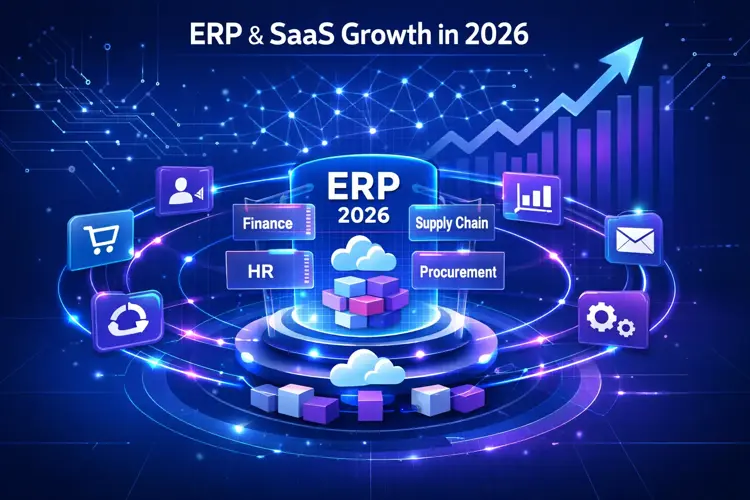
As a result, there is a growing demand for sophisticated software application solutions among organizations. Furthermore, the growing shift towards hybrid work models, accelerated by the COVID-19 pandemic, has substantially enhanced the adoption of enterprise software application in markets such as health care, education, and retail.
Why Future of Software Scalability
This expanding use of business software application across industries underscores its crucial role in enhancing operations and boosting efficiency in the evolving digital landscape. Information security and privacy are critical motorists in the market, as organizations progressively prioritize the security of delicate information and compliance with strict guidelines. With rising issues over data breaches and cyberattacks, organizations throughout different sectors are turning to enterprise software services that use robust security functions, including encryption, multi-factor authentication, and advanced tracking tools.
This concentrate on information privacy has opened brand-new opportunities for suppliers offering specialized software application that incorporates strong security protocols while preserving functional effectiveness. The growing pattern of hybrid work environments has even more stressed the significance of secure, remote gain access to, making data protection a necessary consider the continued development of the marketplace.

Latest Posts
Proven Strategies for Ranking in GEO Systems
Why Proven Impact Behind API-First Architecture
Your Complete Guide to Modern AI Content Strategy